hospital patients has at least one healthcare-associated infection on a given day.
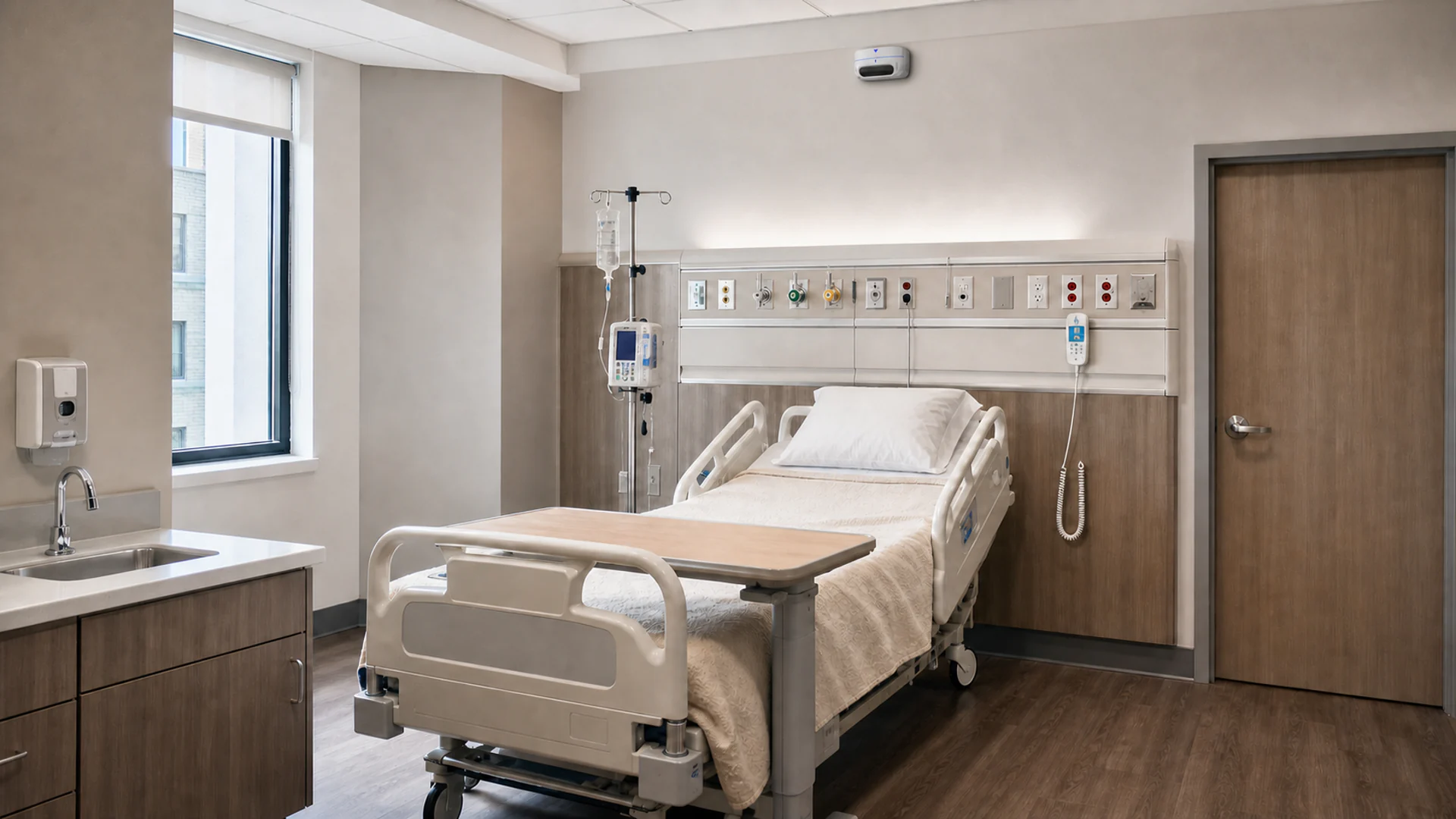
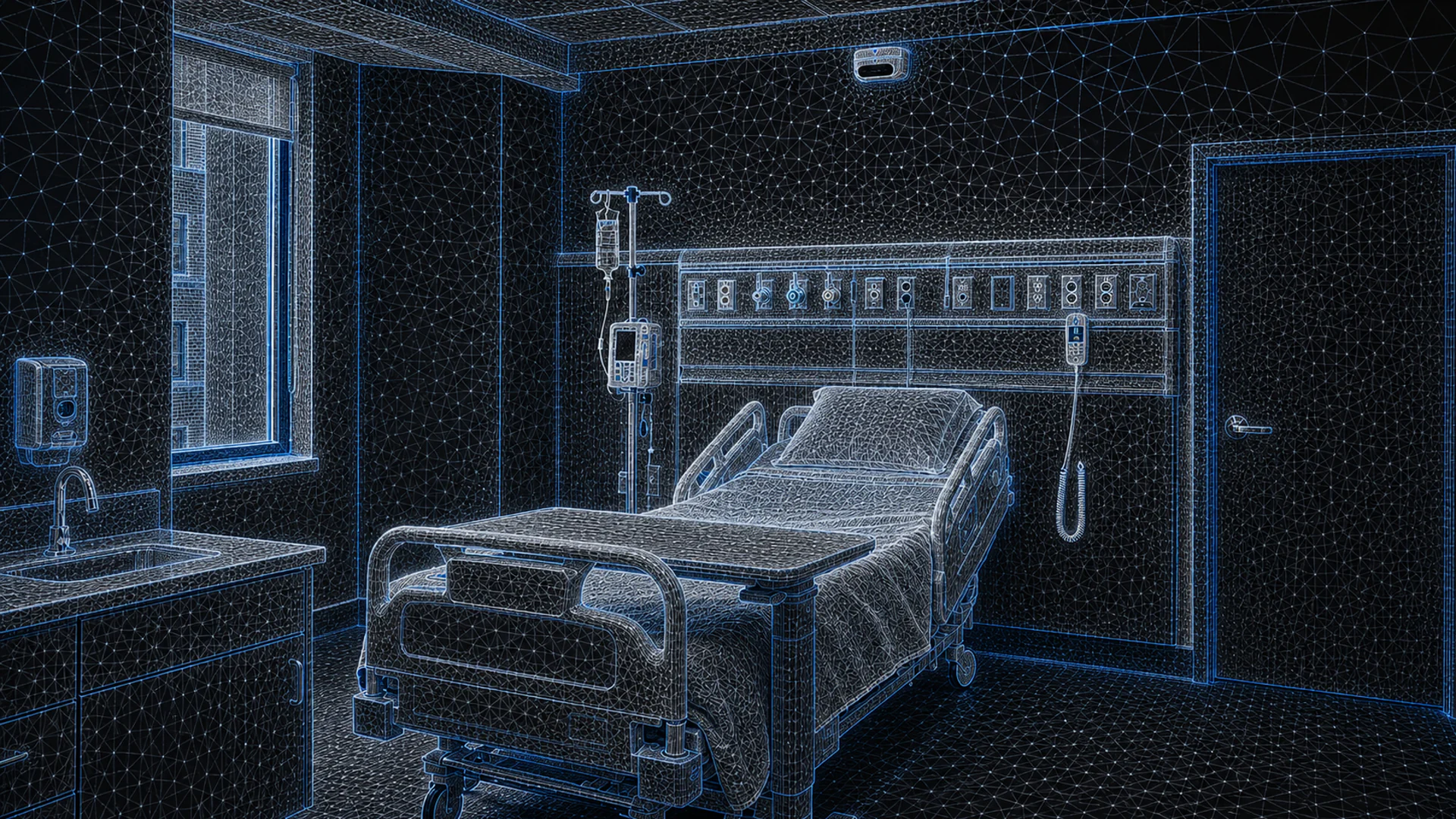
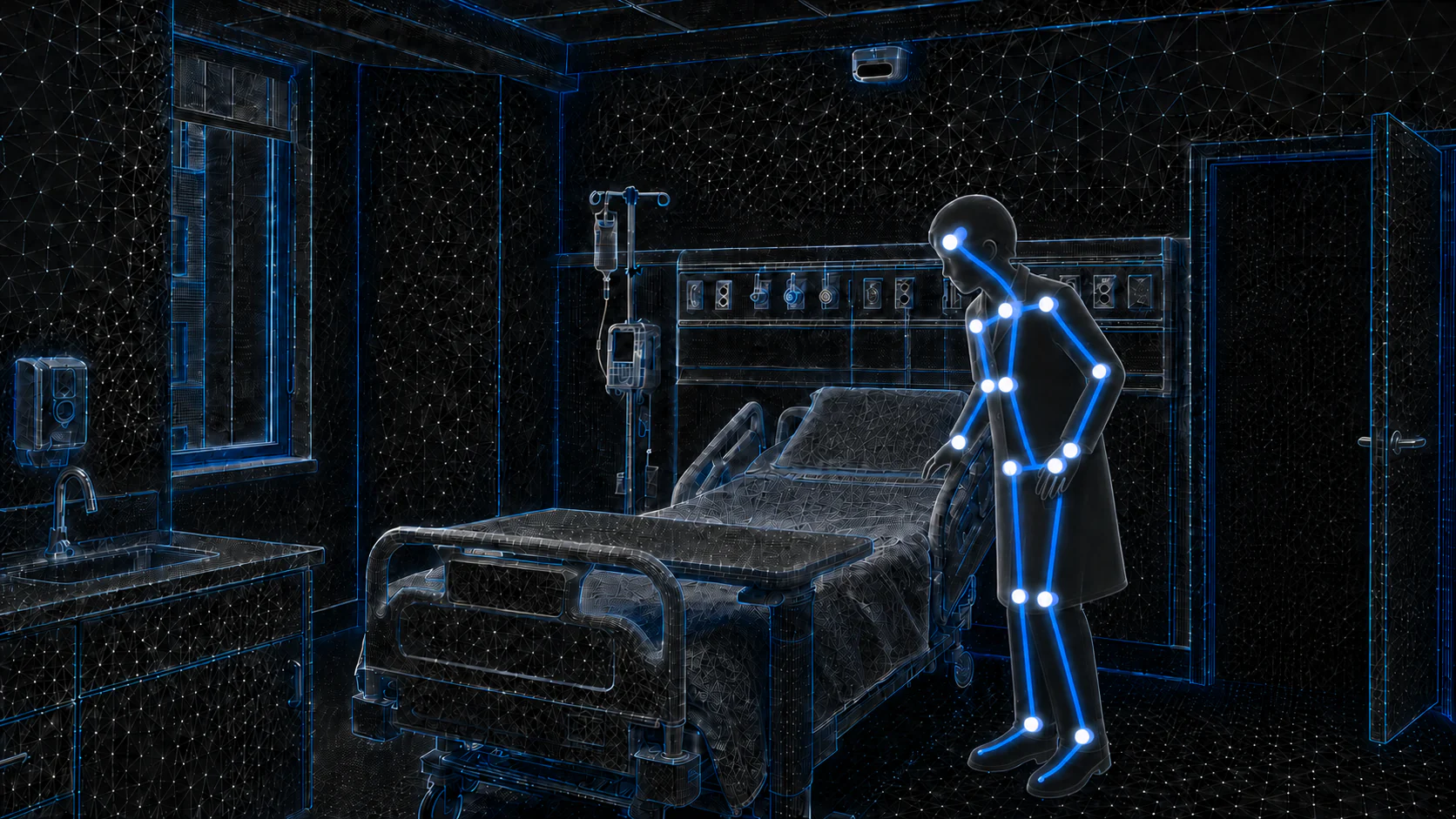
An unoccupied hospital room transitions into an Atlas-generated spatial reconstruction, then shows a tracked person and localized surface-contact fields.
Environmental contamination intelligence
Protect lives.Attack the cost of invisible contamination.
One coordinated system connecting spatial awareness, high-touch and carried-device protection, autonomous treatment, clean-air delivery, and facility-wide coordination.
Atlas / Spatial awareness
Contamination leaves a spatial signature.
Build a living model of the surfaces, interactions, and environmental events that shape risk.
Room 0421 / Spatial reconstruction
See where risk gathers.
Preserve the relationship between people, touchpoints, airflow, and surrounding geometry.
Tracked event / Surface contact
Direct protection, treatment, and verification.
Surface-conforming contact fields become priorities in one connected response system.
- 01Room
- 02Echo
- 03Map
- 04Track
01 The measurable burden
The cost of waiting is already here.
The human and financial burden demands a more coordinated response.
of lives are lost to healthcare-associated infections each year in the United States.
are added to U.S. healthcare costs annually by healthcare-associated infections.
02 One coordinated loop
A fragmented problem needs a connected system.
Measure. Protect.
Treat. Verify.
Veylometry brings six technology families into one spatial operating model—designed to turn invisible environmental risk into coordinated action.
01
Map
VEYLOMETRY Atlas
Build a spatial operating picture of the room, floor, and facility.
02
Protect
VEYLOMETRY Touch
Address the high-frequency surfaces shared by everyone.
03
Treat
VEYLOMETRY Vault
Create treatment workflows around carried clinical devices.
04
Respond
VEYLOMETRY Vector
Direct autonomous treatment toward spatial priorities.
05
Exchange
VEYLOMETRY Air
Coordinate ventilation and air-cleaning capacity in the room model.
06
Coordinate
VEYLOMETRY Platform
Connect events, actions, devices, and verification in one record.
03 Signals from the system
Six technologies.
One operating picture.
Development-stage product studies are shown as system signals—not finished product photography or validated performance claims.
01
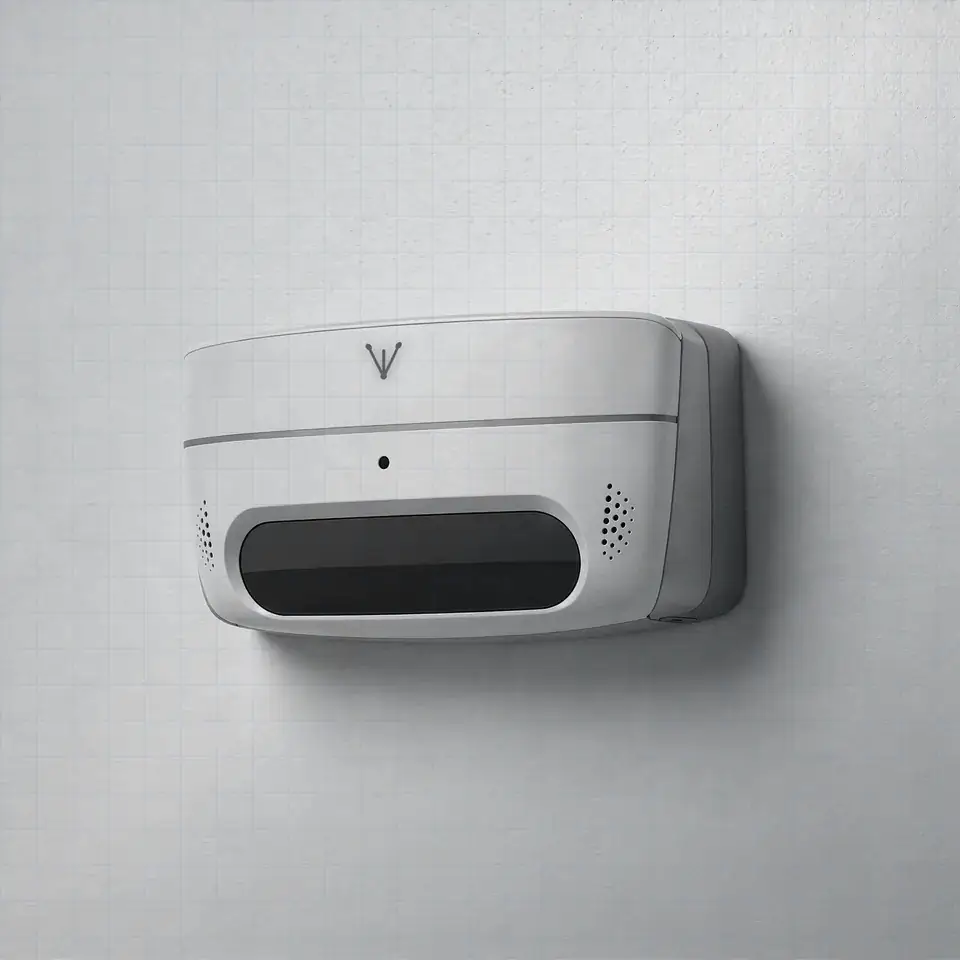
Atlas / Spatial intelligence
Turn the room into an operating picture.
A fixed environmental intelligence concept designed to spatially map surfaces, interactions, and contamination-relevant events.
- Room reconstruction
- Touch-event mapping
- Facility context
02
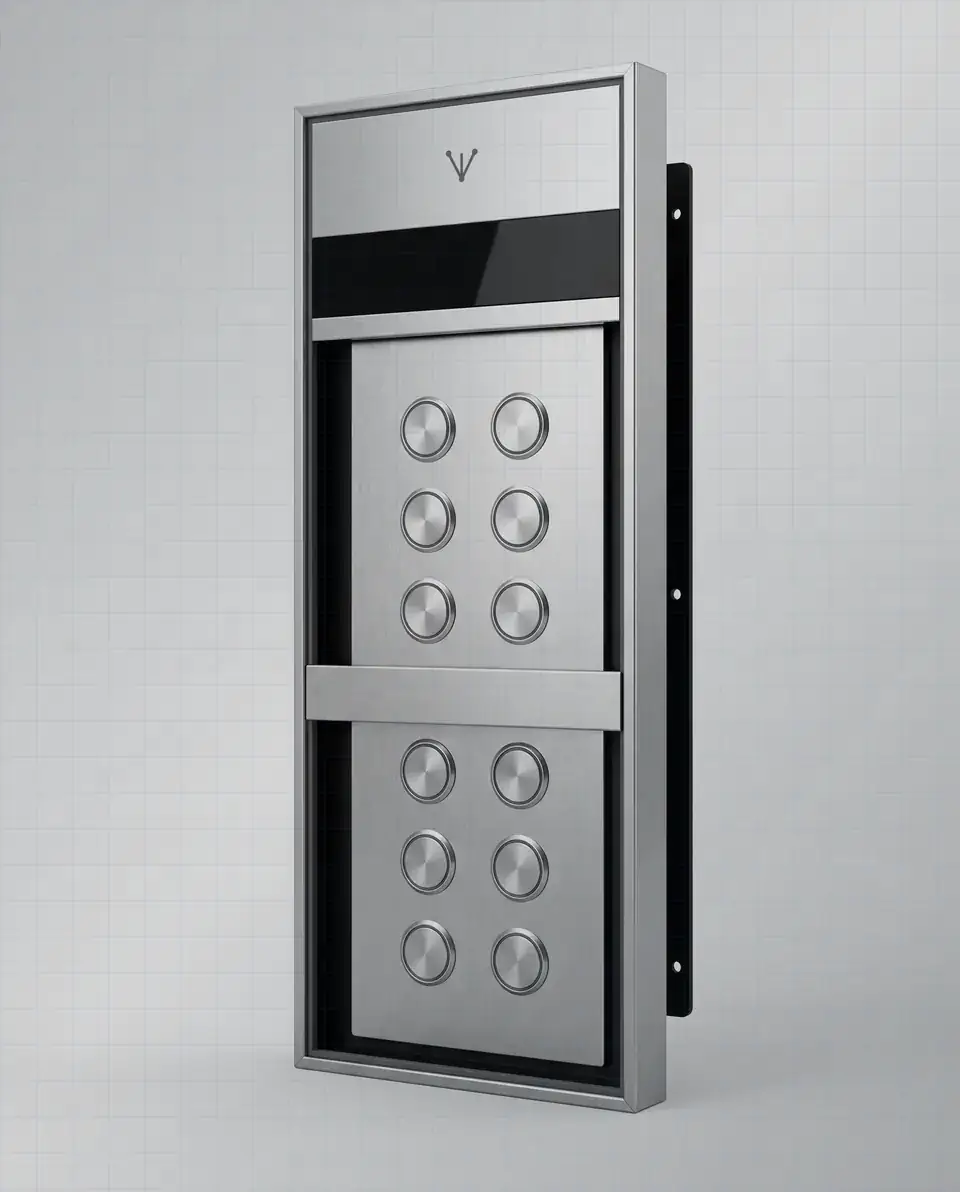
Touch / Shared surfaces
Protection where contact concentrates.
A perimeter treatment architecture designed around high-frequency shared controls while preserving normal interaction with the surface.
- High-touch surfaces
- Integrated sensing
- Single-axis treatment
03
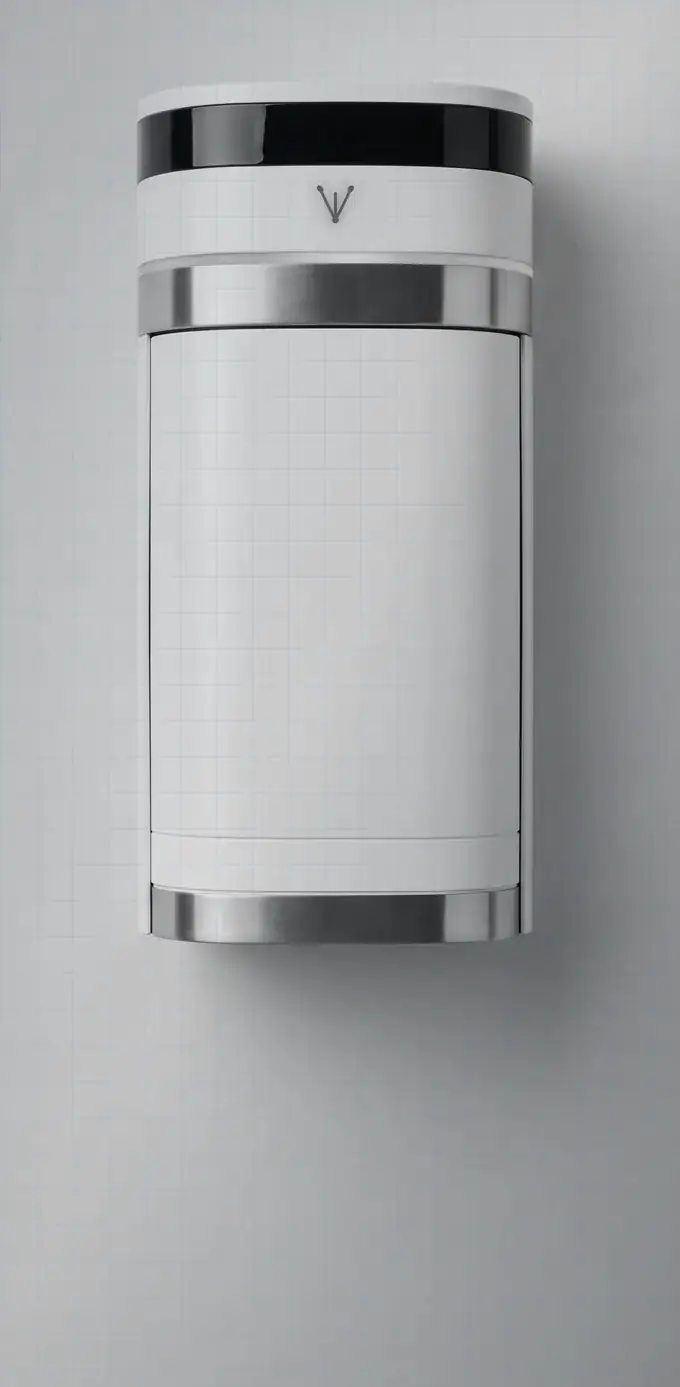
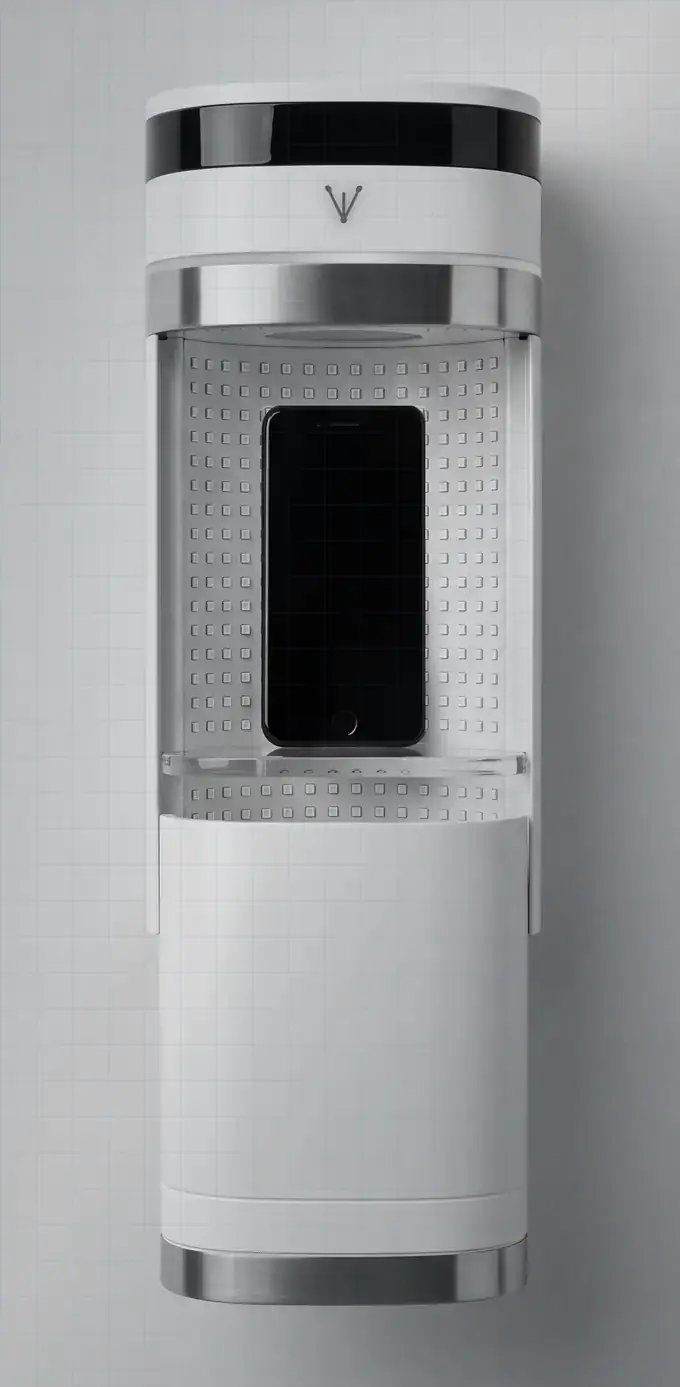
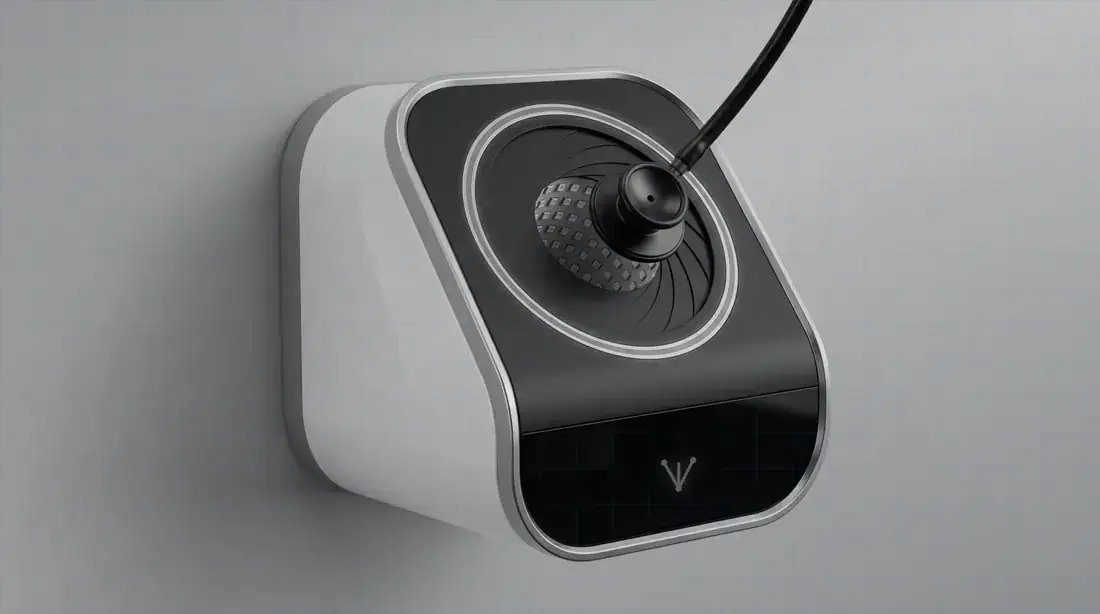
Vault / Carried devices
Treatment built around what care teams carry.
Dedicated treatment concepts for phones, tablets, and stethoscopes—designed to fit the device workflow instead of interrupting it.
- Phone and tablet
- Stethoscope
- Workflow-oriented treatment
04
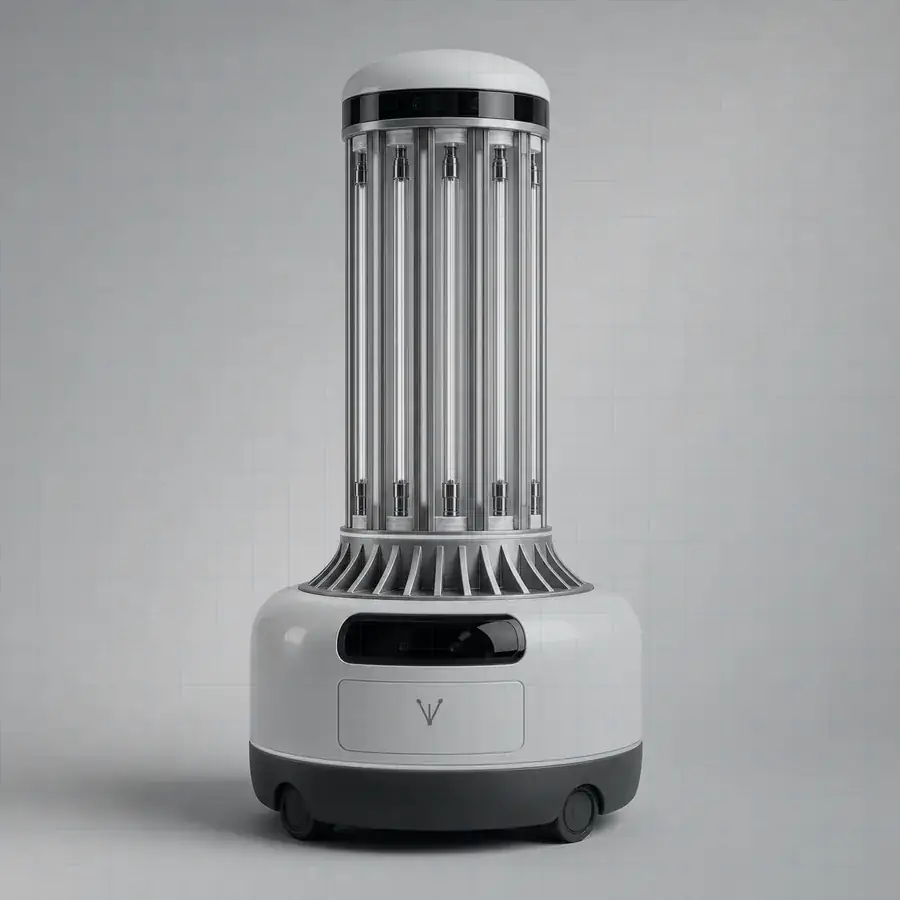
Vector / Directed response
Autonomous treatment, directed by spatial priorities.
A mobile UVC treatment concept designed to bring automated response into the same spatial record used to identify and prioritize risk.
- Autonomous mobility
- UVC treatment concept
- Spatial direction
05
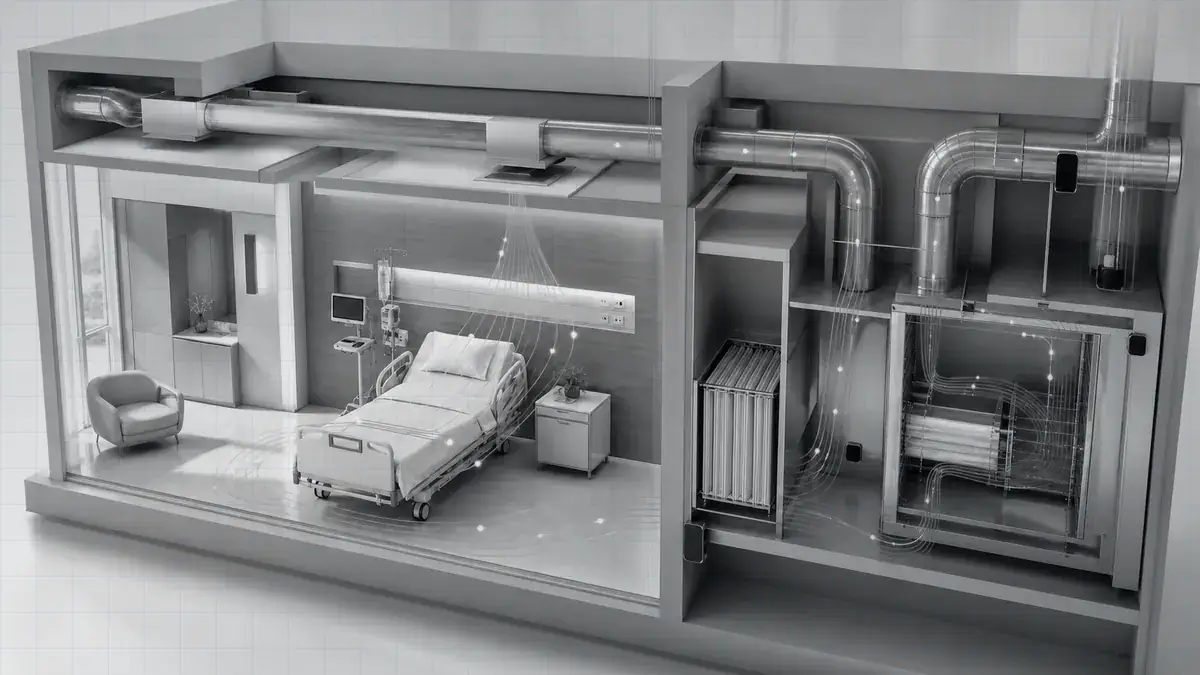
Air / Clean-air delivery
Coordinate the air the room actually receives.
A facility-air system concept designed to combine measured ventilation ACH with estimated equivalent air changes per hour from filtration and treatment technologies—then return that operating state to the Platform.
- Ventilation / ACH
- Air cleaning / eACH
- Facility coordination
06
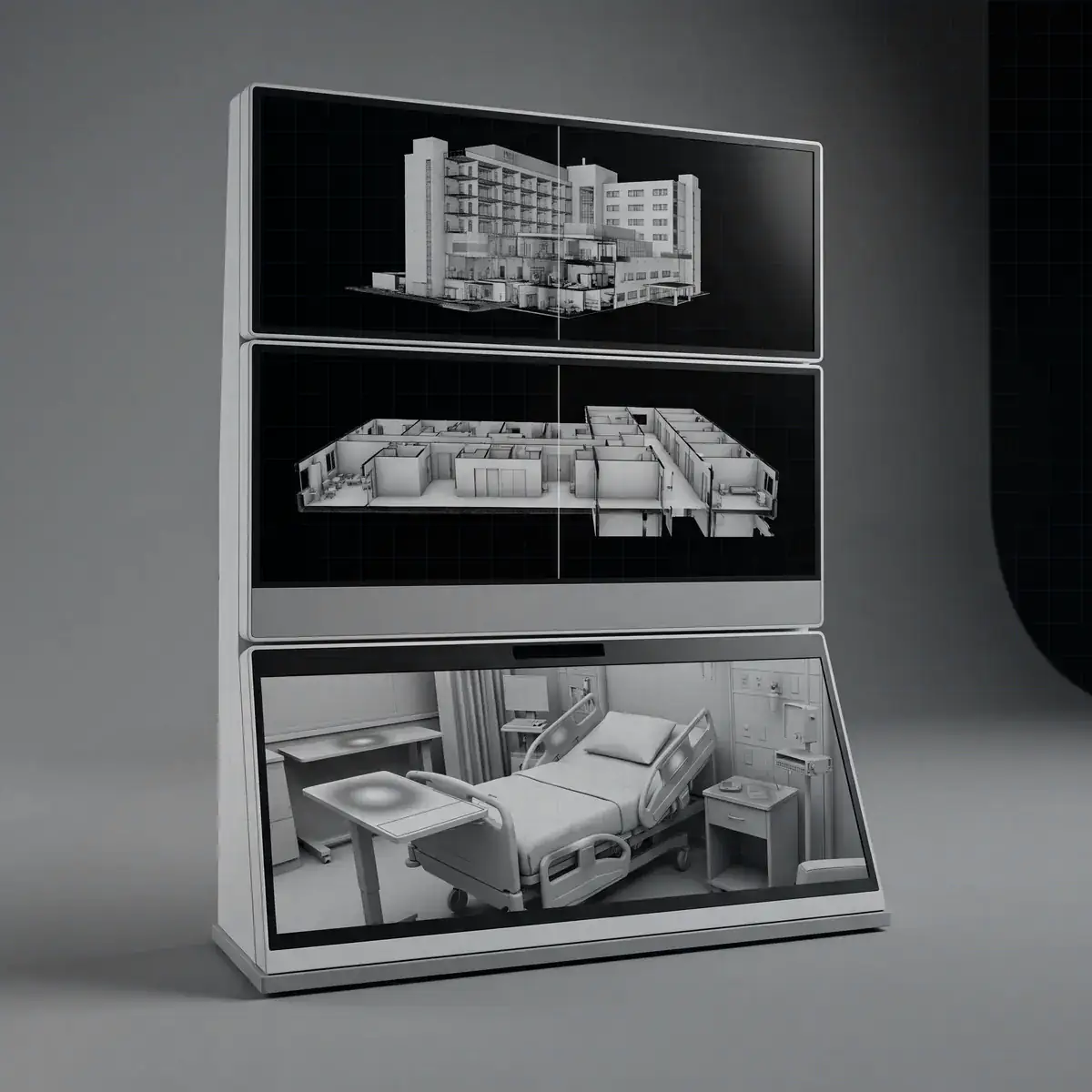
Platform / Integration layer
The connective tissue of the system.
Facility and device integration software designed to move from the whole building, to the floor, to the precise surfaces and air conditions requiring attention—and record the response.
- Facility-to-room view
- Touchpoint priorities
- Coordinated workflows
Hospital first. Built for the wider world.
Environmental intelligence for every place where people share space.
- 01 Hospitals & care environments
- 02 Schools & campuses
- 03 Commercial buildings & casinos
- 04 Cruise & passenger environments
Measure the invisible.
Bring contamination into view.
Bring the response together.
Veylometry is designed to help reduce the human and financial burden of environmental contamination through a coordinated intelligence and response system spanning surfaces, carried devices, room-scale treatment, clean-air delivery, and facility operations.
Start a conversation ↗